Guides
Practical guides to tracking coding time: from git history, from the terminal, and from whichever editor you actually work in. Each one covers what the method measures, where it breaks down, and what to do about the gap.
How to Estimate Developer Hours From Commits (a Practical Method for 2026)
A step-by-step method to estimate developer hours from commits: session reconstruction, gap thresholds, and calibration. Plus where git-only estimates break and how to make the number invoice-ready.
How to Measure AI Coding Productivity in 2026 (a Framework That Holds Up)
Measure AI coding productivity by tracking leverage and shipped output, not lines or tokens. Here is the framework: what to measure, what to ignore, and why commit volume and token counts mislead in the agent era.
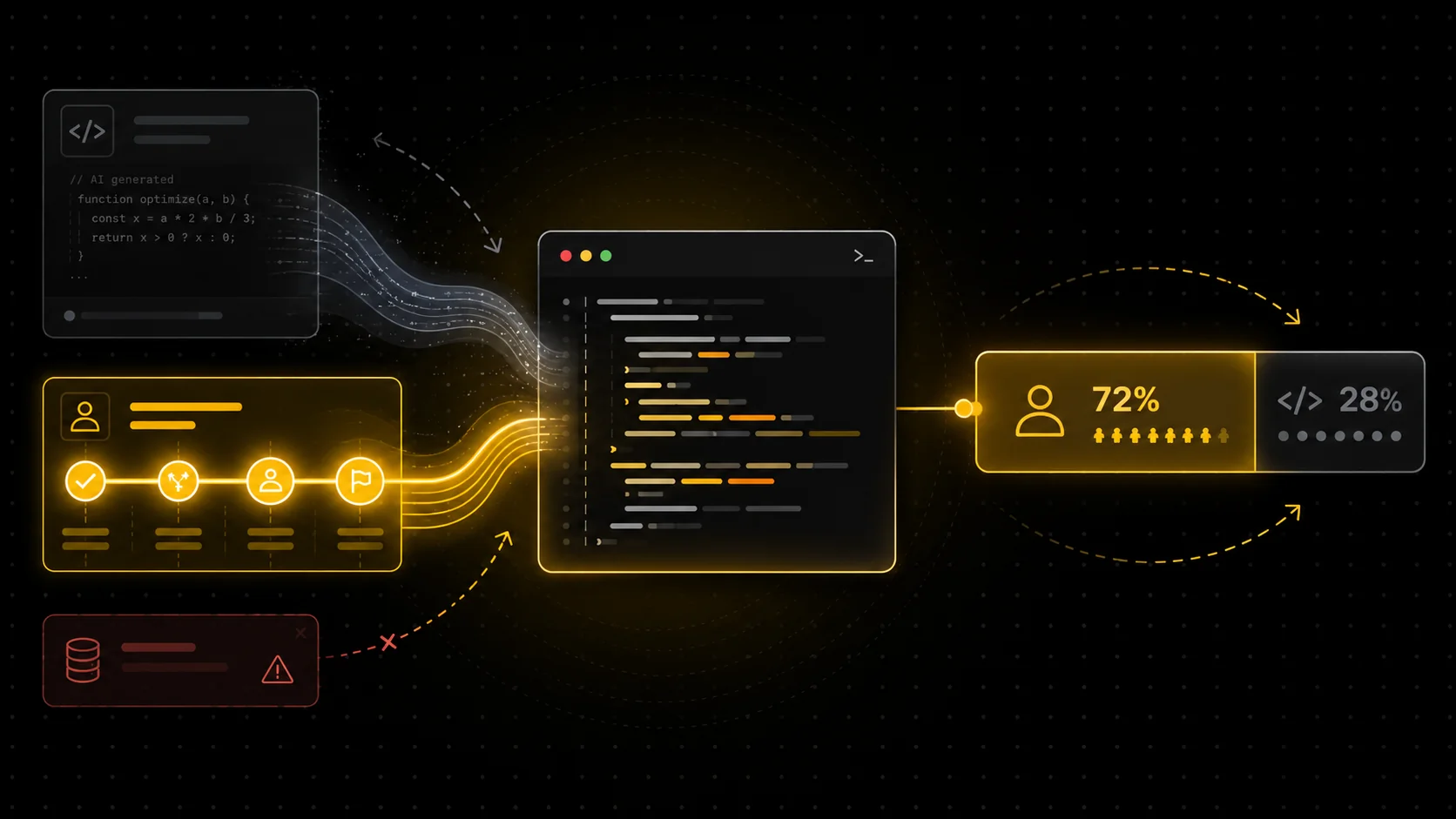
How to Prove Your Code Is Human-Written, Not AI (2026)
You cannot prove code is human written not AI by inspecting the code, because finished output looks identical either way. Here is what actually proves human authorship: provenance, attribution, and an audited record of how the work happened.
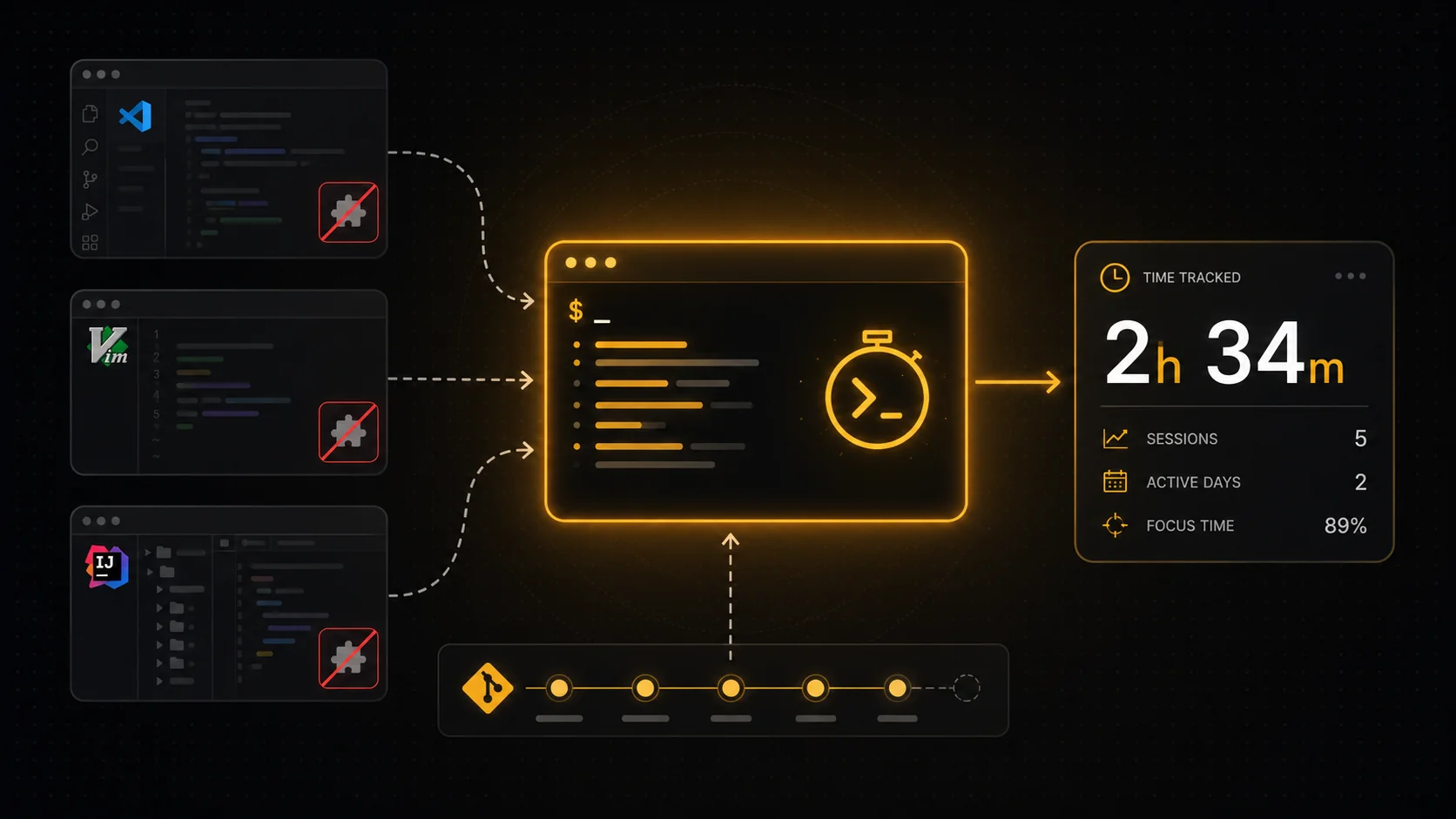
Coding Time Tracker Without an IDE Plugin: What Actually Works in 2026
Want to track coding time without an IDE plugin? Start from a git baseline with nothing to install, then add one editor-agnostic CLI tracker for accuracy. Why per-editor plugins fail, and what to use instead.
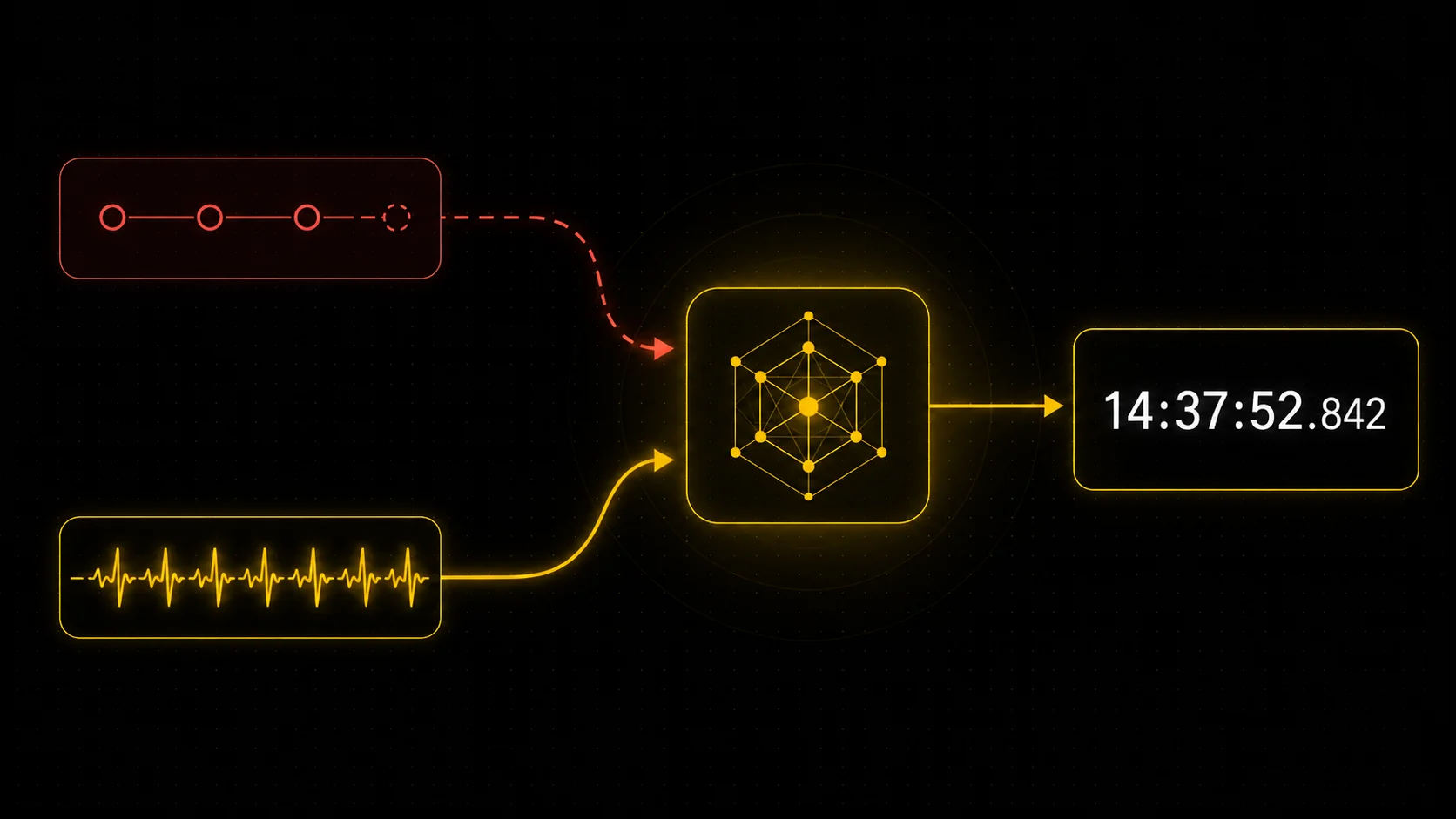
How to Track Coding Time From Git (and Why Git Alone Isn't Enough in 2026)
You can estimate coding time from Git commits, but git alone is a benchmark, not an accurate clock, especially with AI. Why telemetry is the accurate layer, and how to combine both.
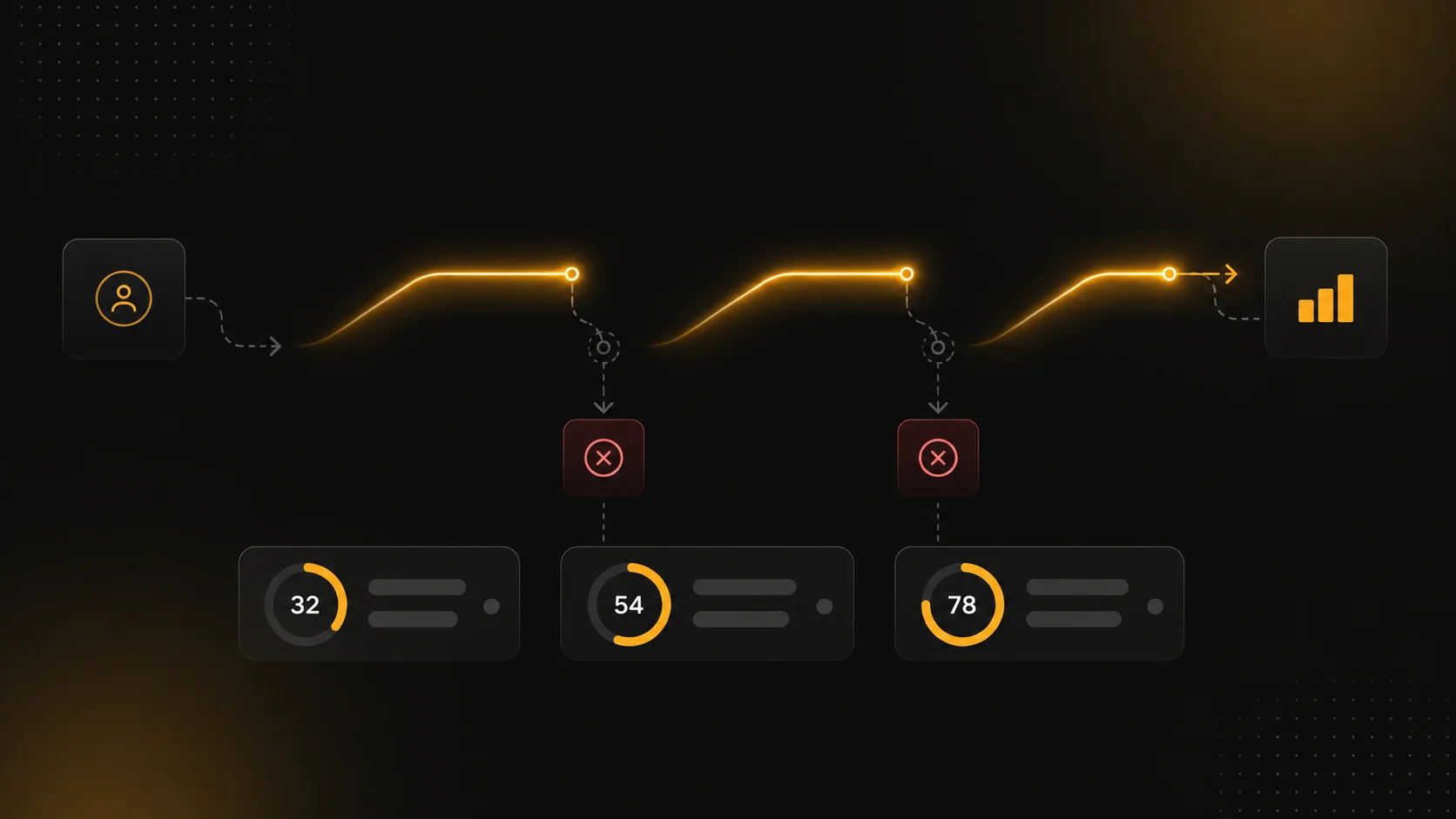
The Real Cost of Context Switching for Developers (With Numbers)
It takes 23 minutes to refocus after an interruption. The real cost of context switching for developers, the yearly math, and how to see and protect your deep work.
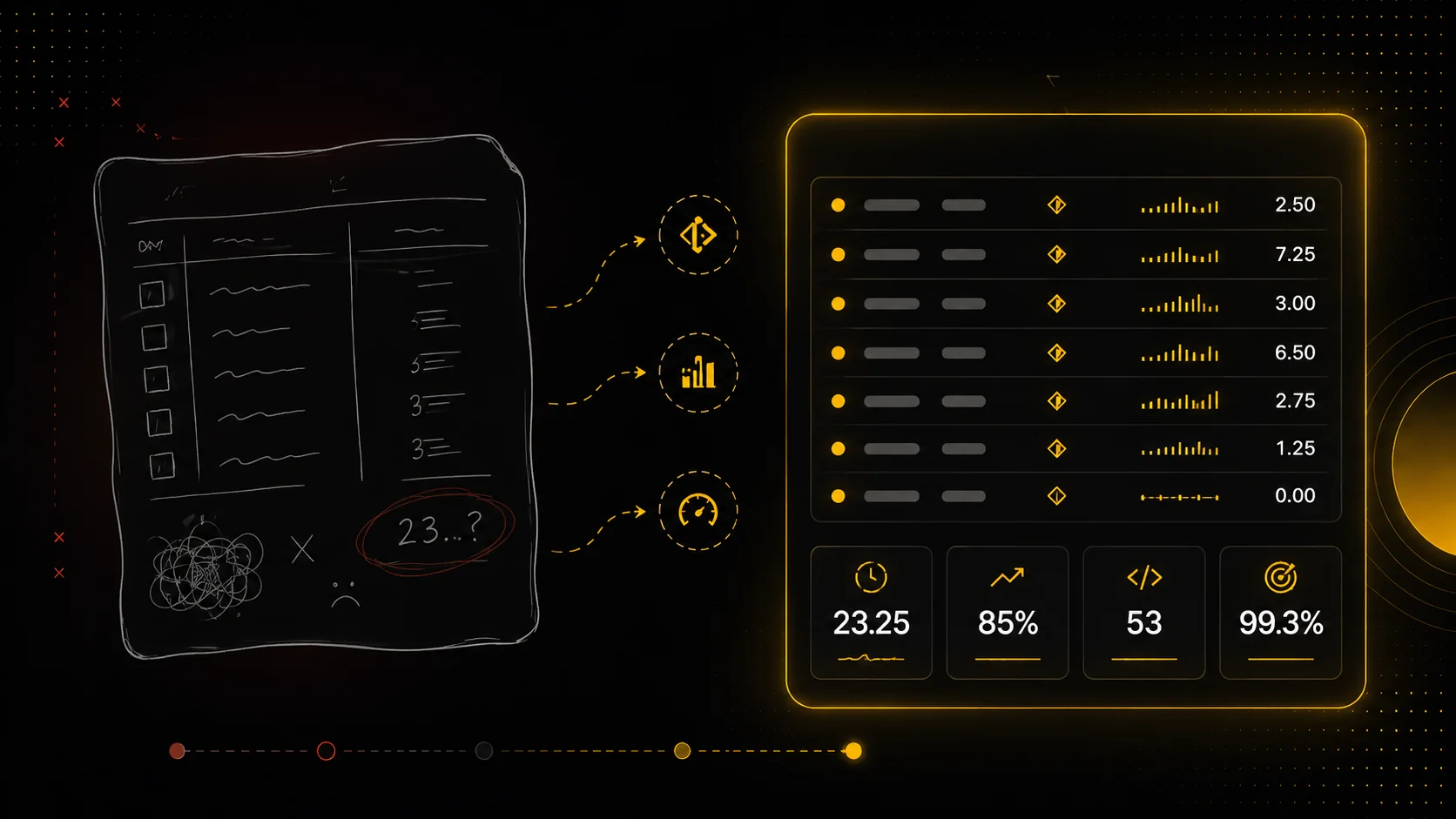
Why Manual Timesheets Lie (and What Git-Based Tracking Shows Instead)
Developers overestimate productive time by up to 40%. Why memory-based timesheets are inaccurate, what it costs, and how git-based tracking gives you honest hours.
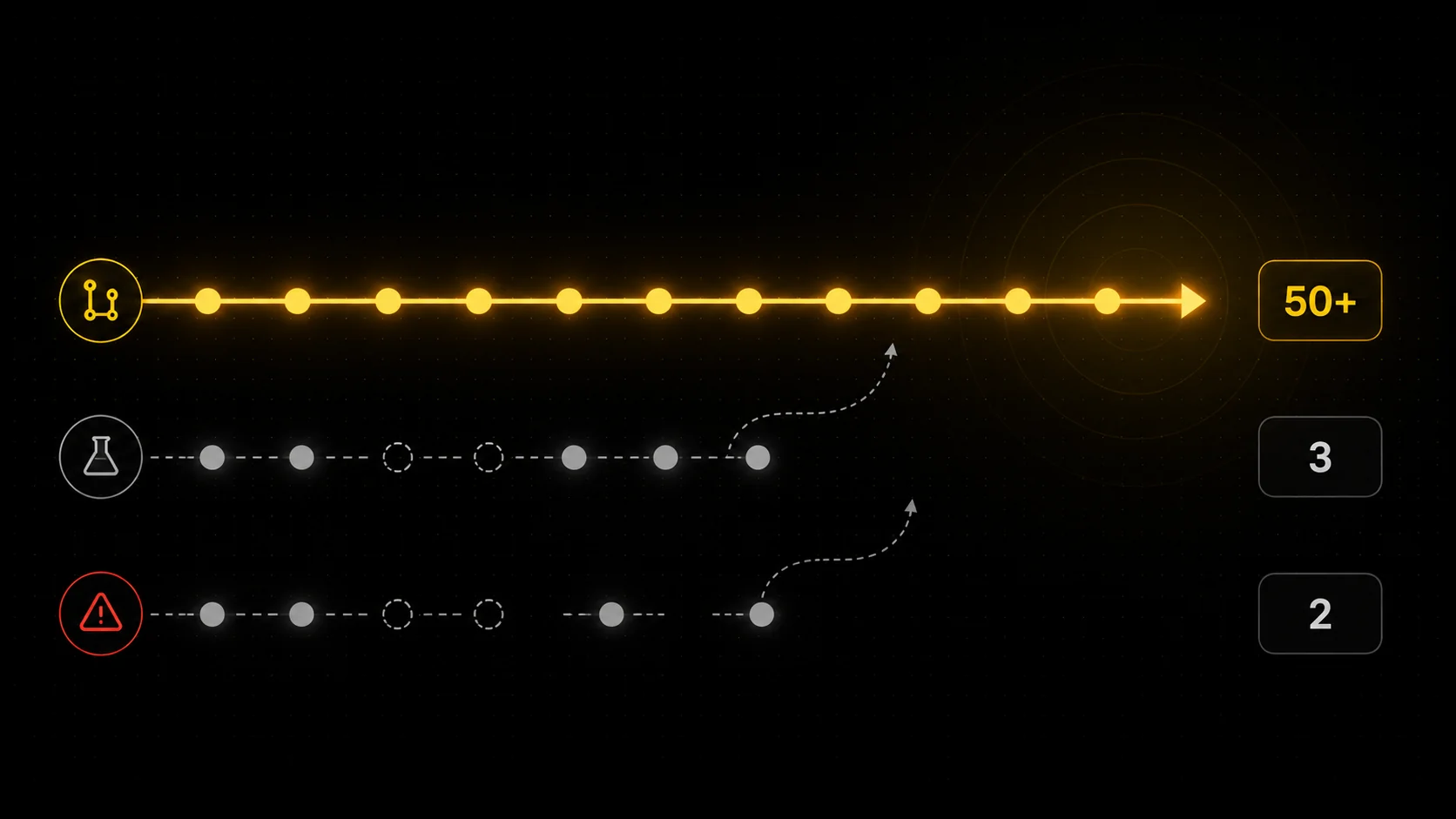
How to Measure Flow State Without Breaking It (2026)
Traditional productivity tracking destroys the flow state it tries to measure. How to measure deep work passively, from your real coding activity, without interrupting it.
Changelog
All updatesAugust 13, 2026
Export Reports as PDF
Every report — Overview, Commits, and Issues — now has an Export PDF button that produces a clean, print-optimized document honouring your active filters and date range, ready to attach to an invoice or share with a client. Exports are generated locally in your browser; no data leaves your machine.
August 13, 2026
Figma Design Tracking
The Mac app now tracks time in the Figma desktop app as real design hours — automatically, with nothing to configure. Turn on optional file-name tracking to attribute design time to individual Figma files and auto-map it to projects by naming files "Project — File". Off by default, reading window titles of design apps only, behind an explicit macOS Accessibility grant you approve yourself.
July 5, 2026
Issue Attribution — Linear & Jira
Connect Linear or Jira to sync your issues and automatically tie them to the sessions and commits that shipped them. DevClocked matches issue keys from branches, commit messages, and pull requests, so delivered work links back to what it was for — read-only, with no writeback to your tracker.
June 25, 2026
Slack Integration
Install the DevClocked Slack app to bring reports into your workspace. Admins pick channels and posting rules, and each member links their own account with /devclocked connect for private personal reports and shared team digests.