Resources
Guides, comparisons and engineering notes on measuring developer time, human and agent. Everything here is written from how the measurement actually works, not from how it is marketed.
Best ActivityWatch Alternatives for Developers in 2026 (Tested)
Looking for an ActivityWatch alternative? Tested, ranked picks for developers who want code-aware, git-based or low-maintenance tracking without giving up privacy.
Developer Time Tracking for Invoicing: How to Bill Hours You Can Actually Prove (2026)
A practical guide to developer time tracking for invoicing: capture billable hours passively, reconcile them against git, and hand clients an invoice backed by an audit trail instead of a guess.
Best GitHub Wrapped Alternatives for Year-Round Coding Stats (2026)
Looking for a GitHub Wrapped alternative that works all year? Here are the best options in 2026, from free recap generators to audited profiles that track what you and your AI agents actually shipped.

How to Estimate Developer Hours From Commits (a Practical Method for 2026)
A step-by-step method to estimate developer hours from commits: session reconstruction, gap thresholds, and calibration. Plus where git-only estimates break and how to make the number invoice-ready.
How to Measure AI Coding Productivity in 2026 (a Framework That Holds Up)
Measure AI coding productivity by tracking leverage and shipped output, not lines or tokens. Here is the framework: what to measure, what to ignore, and why commit volume and token counts mislead in the agent era.
How to Verify GitHub Contributions (and Why the Green Squares Don't)
GitHub's contribution graph shows activity, not proof, and it can be gamed in minutes. Here is how to verify GitHub contributions properly: read the commits, check authorship, and confirm the work behind the squares.
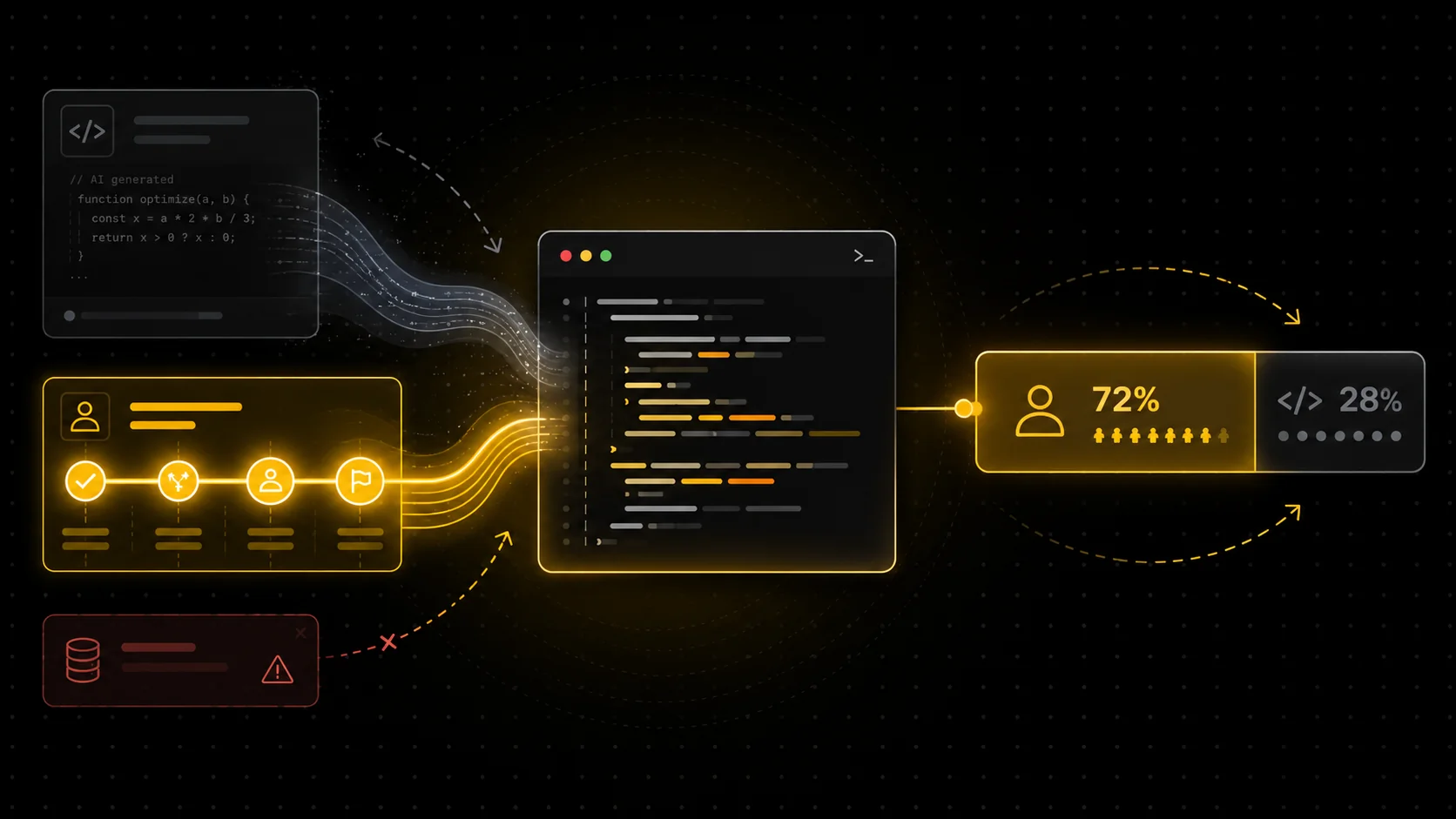
How to Prove Your Code Is Human-Written, Not AI (2026)
You cannot prove code is human written not AI by inspecting the code, because finished output looks identical either way. Here is what actually proves human authorship: provenance, attribution, and an audited record of how the work happened.
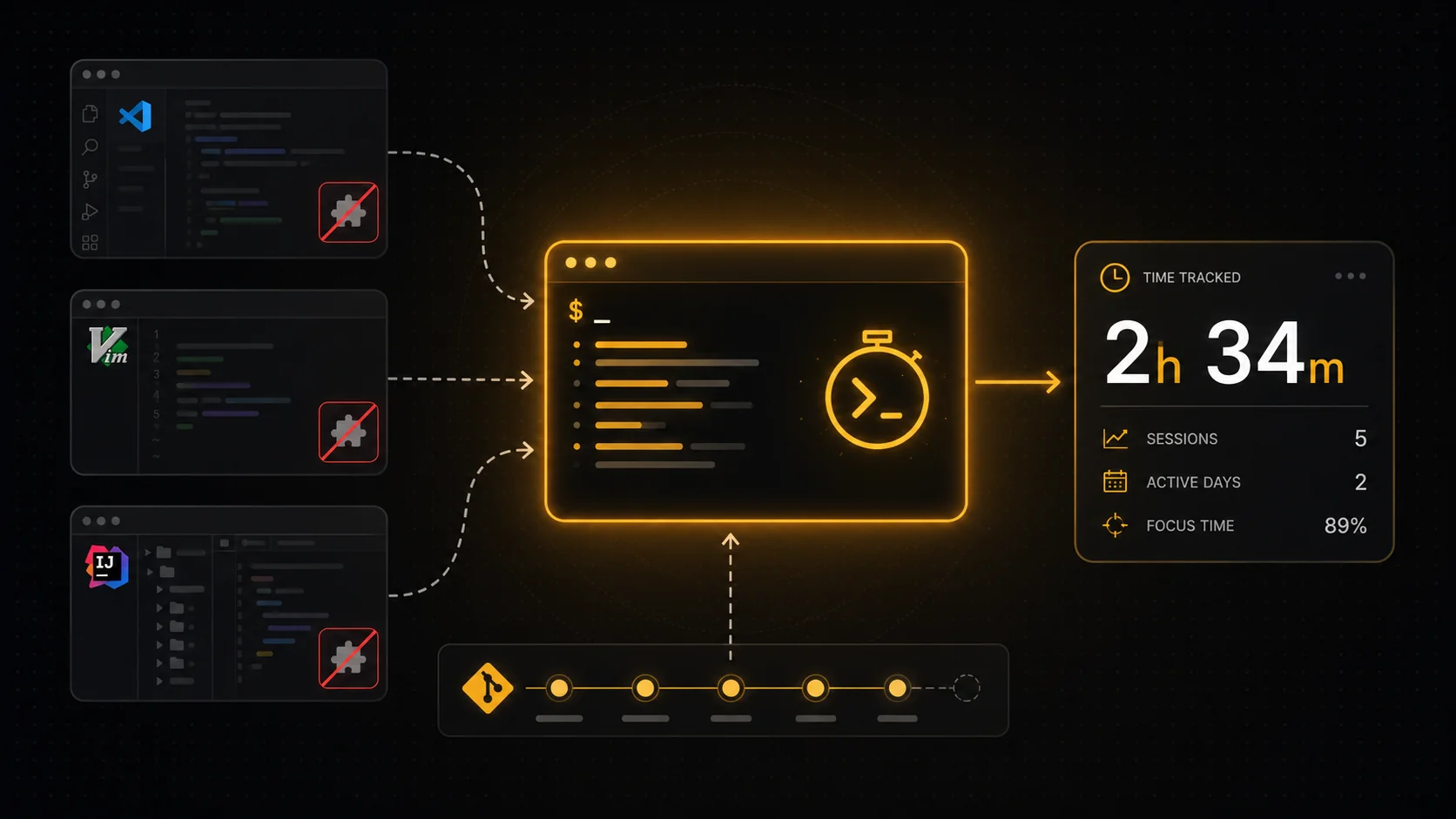
Coding Time Tracker Without an IDE Plugin: What Actually Works in 2026
Want to track coding time without an IDE plugin? Start from a git baseline with nothing to install, then add one editor-agnostic CLI tracker for accuracy. Why per-editor plugins fail, and what to use instead.
WakaTime vs RescueTime (2026): Code-Level vs Whole-Computer Tracking
WakaTime vs RescueTime compared in 2026. Code-specific editor tracking versus whole-computer time, with an honest verdict, a side-by-side table, and the git-based third option most comparisons miss.
How to Prove You Wrote the Code (Not AI) in 2026
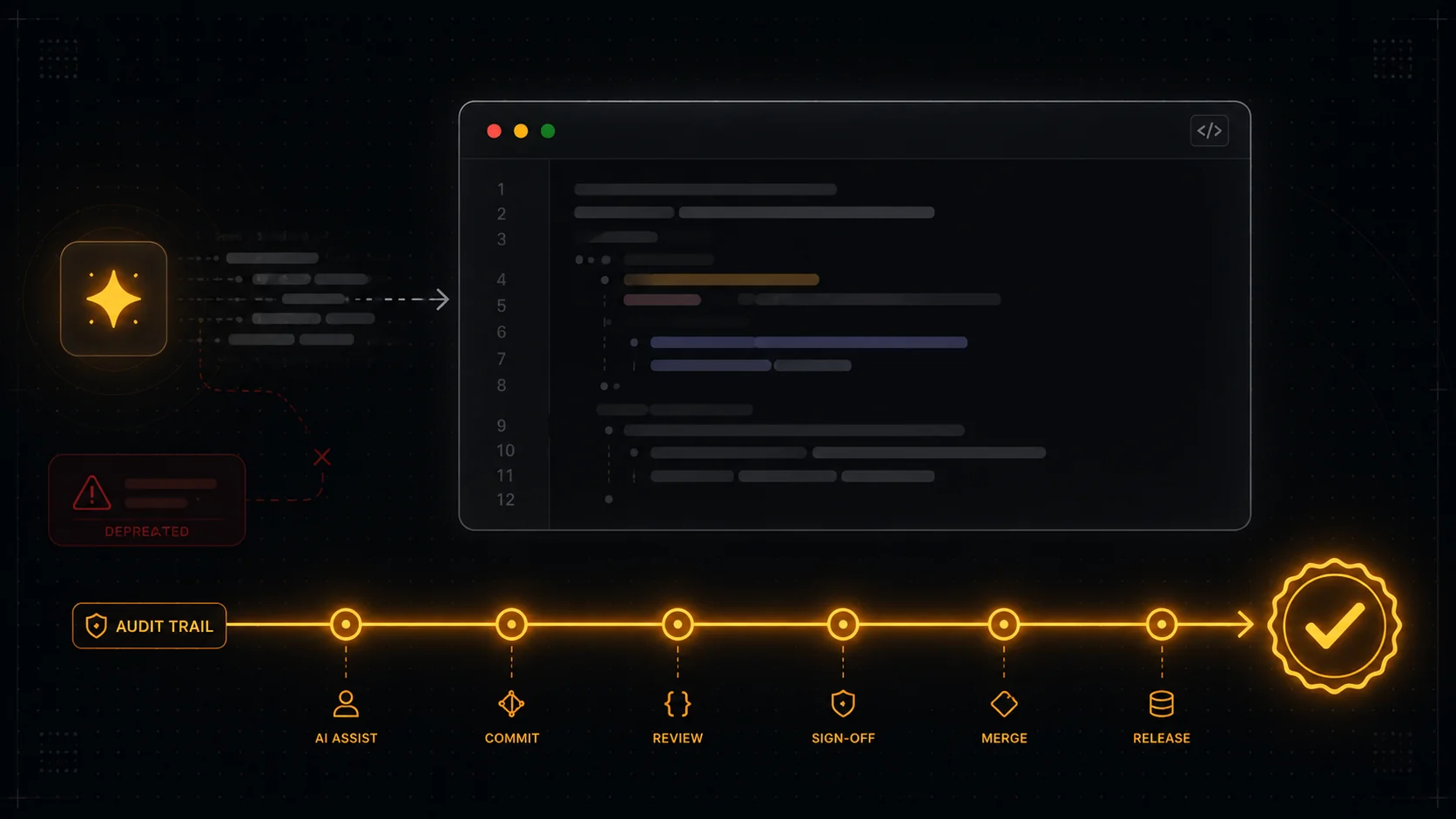
AI writes a large share of code now, so 'I built this' settles nothing. Here is how to prove you wrote the code: provenance, an audited trail, and what actually holds up when someone checks.

Strava for Coding: What It Means and Why Developers Want One (2026)
Strava for coding is a profile that records what you actually built over time and proves it, the way Strava logs every run. Here is what the analogy gets right, where it breaks, and why it matters in the AI era.
How Long Does It Take to Build an MVP? Real Timelines in the AI Era (2026)
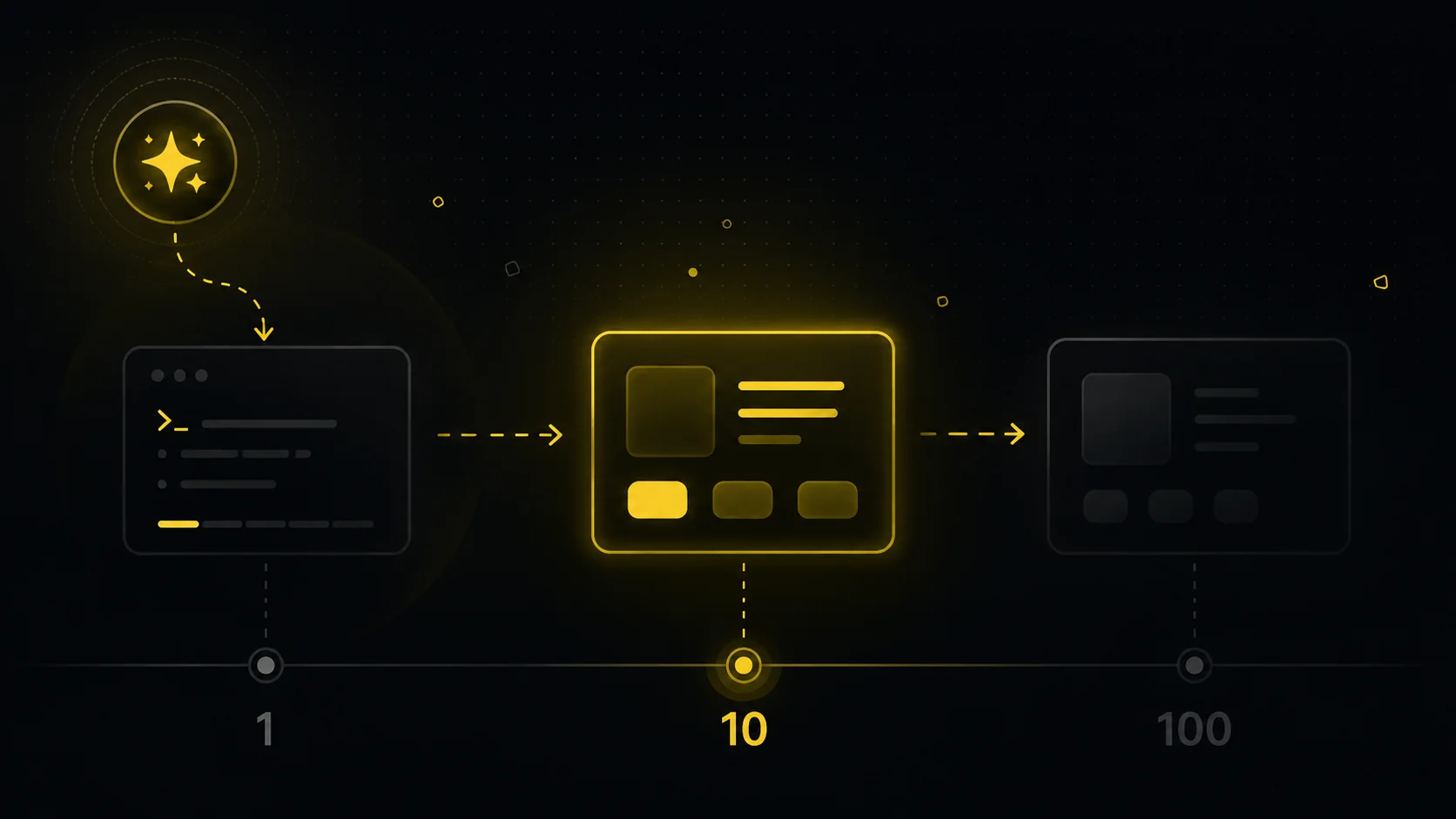
How long it really takes to build an MVP with AI tools like Claude, Cursor, and Codex. Honest ranges by app type, a real case study, and how to prove the timeline.
Changelog
All updatesAugust 26, 2026
The DevClocked Agent
Ask questions about your own data in plain language at /agent. It reads through 15 tools covering summaries, projects, time breakdowns, sessions, commits, clients, invoices, unbilled time, timesheet items, invoicing coverage, and workspace rollups. Eight more tools can propose actions, but nothing runs until you accept its confirm card. Ask it to close out the month and it walks the invoicing recipe one step per turn, from coverage check to invoice draft. Available on Pro.
August 23, 2026
Gemini CLI Agent Tracking
The Mac app now reads Gemini CLI sessions, so those agent turns land beside your Claude Code and Codex work instead of disappearing into plain terminal time. The daemon parses your local session files for the model, input, output and cached tokens, tool calls, and subagent nesting, then attributes each session to the right project. Message content never leaves your machine; only counts and metadata are sent. Requires Mac app v1.4.49 or later. Gemini models are not priced yet, so you will see token counts rather than cost.
August 13, 2026
Export Reports as PDF
Every report — Overview, Commits, and Issues — now has an Export PDF button that produces a clean, print-optimized document honouring your active filters and date range, ready to attach to an invoice or share with a client. Exports are generated locally in your browser; no data leaves your machine.
August 13, 2026
Figma Design Tracking
The Mac app now tracks time in the Figma desktop app as real design hours — automatically, with nothing to configure. Turn on optional file-name tracking to attribute design time to individual Figma files and auto-map it to projects by naming files "Project — File". Off by default, reading window titles of design apps only, behind an explicit macOS Accessibility grant you approve yourself.