Engineering
Proving what you built, and separating your own authorship from what an agent wrote. Portfolios, verification, and the kind of evidence that survives someone checking it.
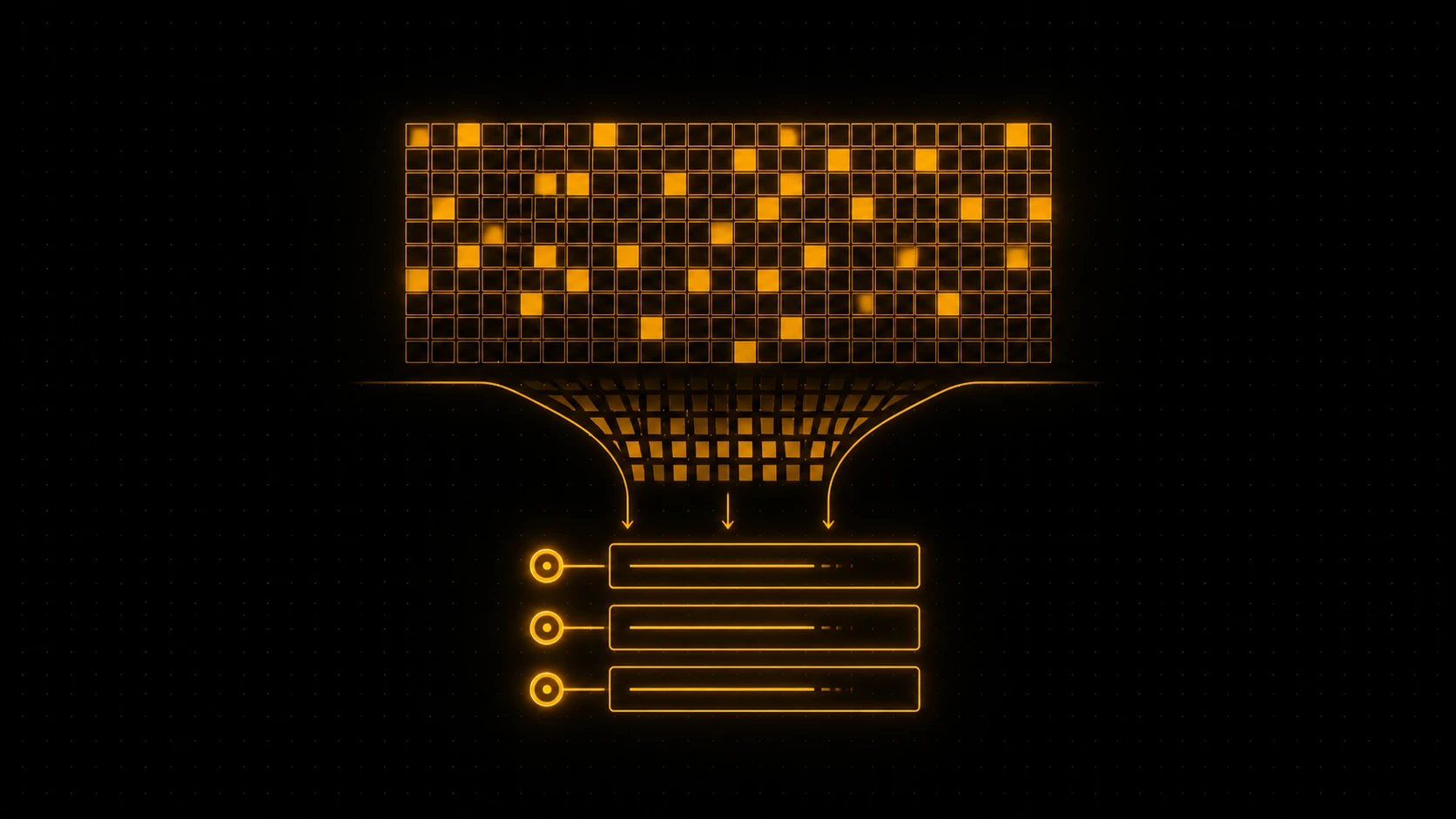
How to Turn Your GitHub Activity Into a Developer Resume (2026)
Your GitHub already contains better resume material than anything you could write from memory. How to build a developer resume from GitHub activity: mine your commit history for real bullets, quantify without lying, and link one verifiable destination.

How to Show Your Coding Activity to Recruiters (2026)
Recruiters spend seconds on your profile and cannot tell curated activity from gamed activity. How to show coding activity to recruiters in a way they can actually verify: curated repos, visible recency, and an audited record of what you shipped.

How to Build a Developer Portfolio From Your Git History (2026)
Your git history is a truer portfolio than any curated site, because it is a record of real work rather than a claim about it. How to turn commit history into proof, and where it falls short.

Best GitHub Wrapped Alternatives for Year-Round Coding Stats (2026)
Looking for a GitHub Wrapped alternative that works all year? Here are the best options in 2026, from free recap generators to audited profiles that track what you and your AI agents actually shipped.

How to Verify GitHub Contributions (and Why the Green Squares Don't)
GitHub's contribution graph shows activity, not proof, and it can be gamed in minutes. Here is how to verify GitHub contributions properly: read the commits, check authorship, and confirm the work behind the squares.
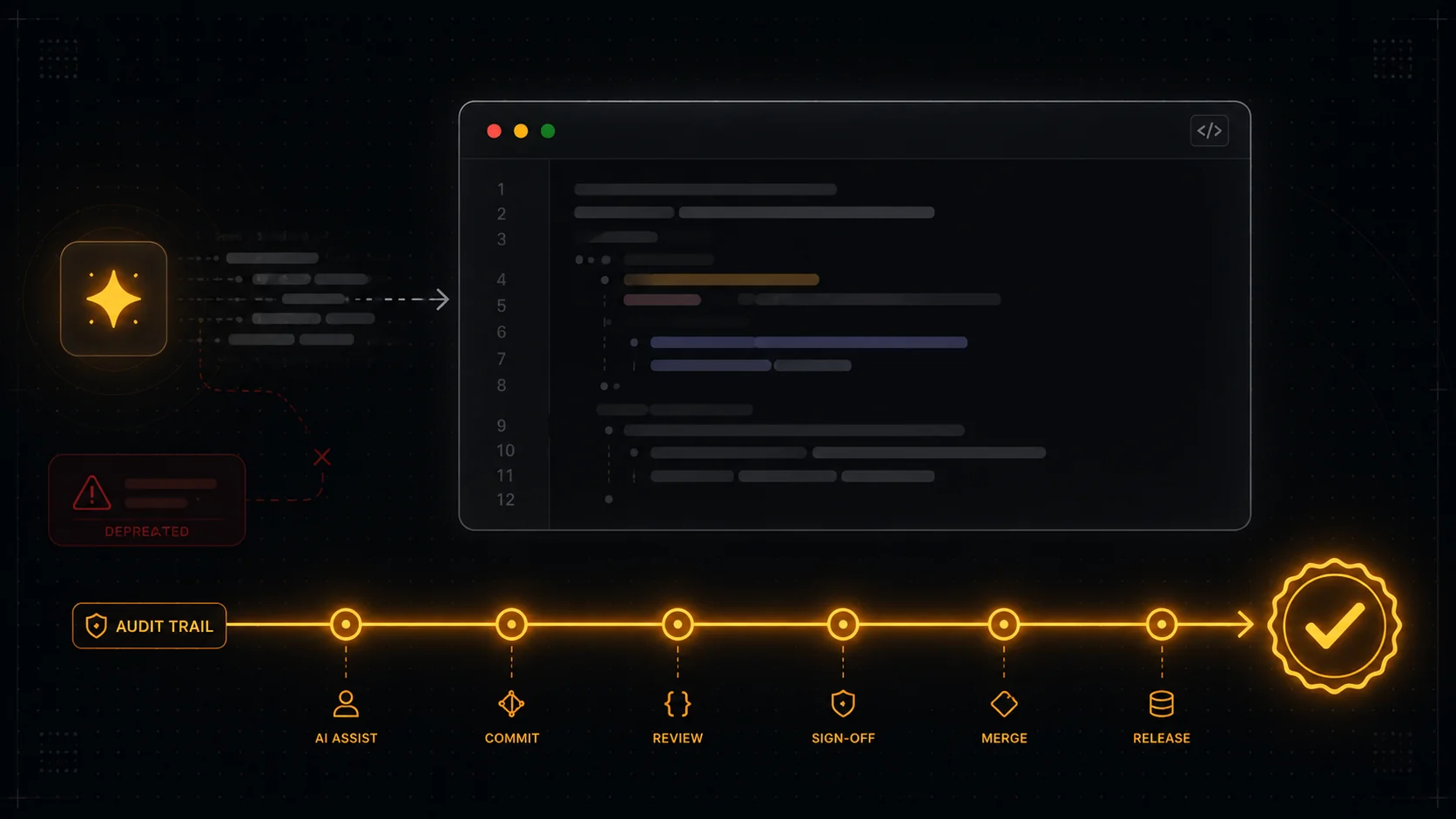
How to Prove You Wrote the Code (Not AI) in 2026
AI writes a large share of code now, so 'I built this' settles nothing. Here is how to prove you wrote the code: provenance, an audited trail, and what actually holds up when someone checks.

Strava for Coding: What It Means and Why Developers Want One (2026)
Strava for coding is a profile that records what you actually built over time and proves it, the way Strava logs every run. Here is what the analogy gets right, where it breaks, and why it matters in the AI era.
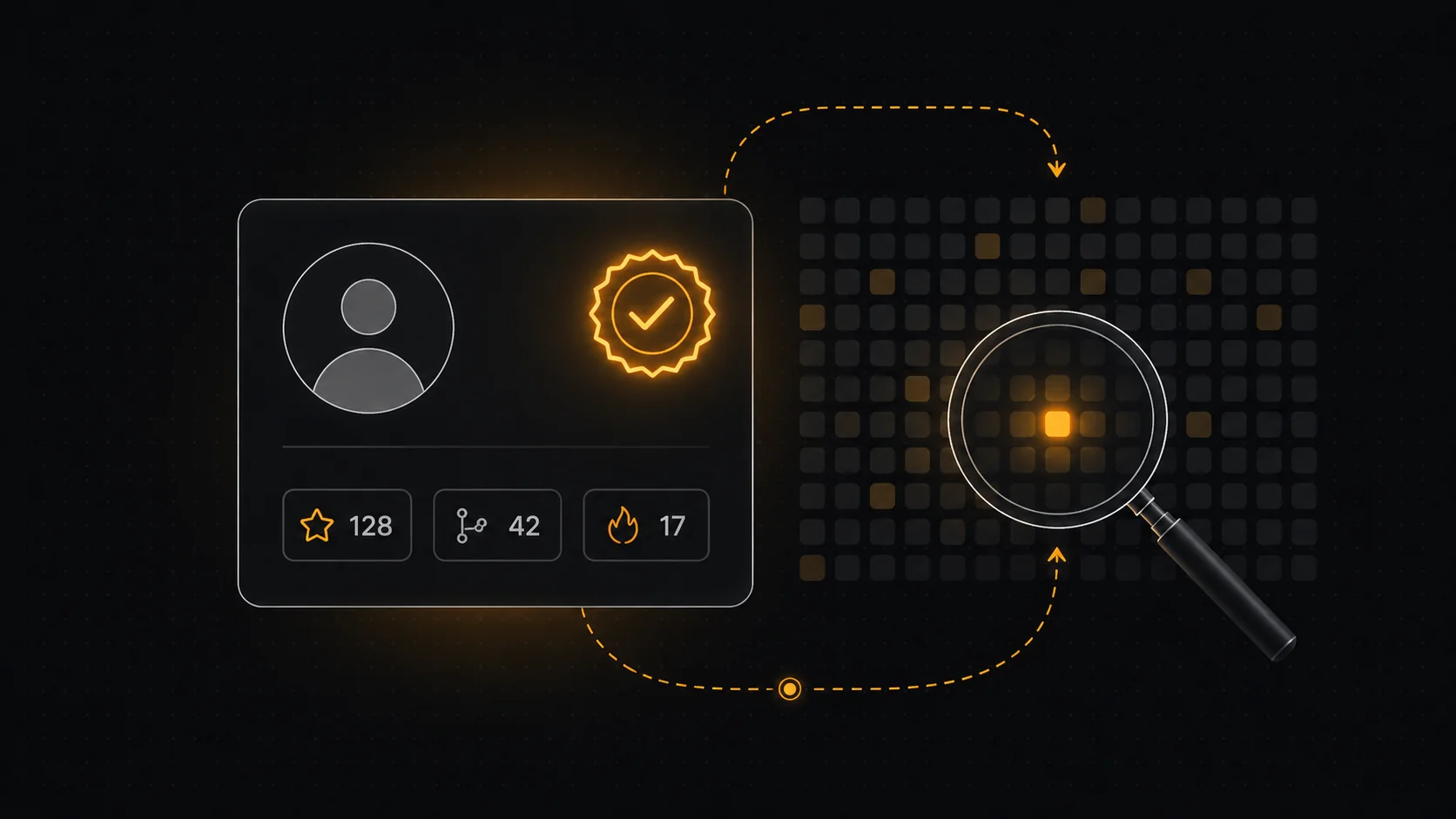
Prove What You Shipped: The Case for Audited Developer Work (2026)
Resumes and green squares are claims, not proof. Why developers need an audited record of what they actually shipped, and how proof of work changes hiring and trust.
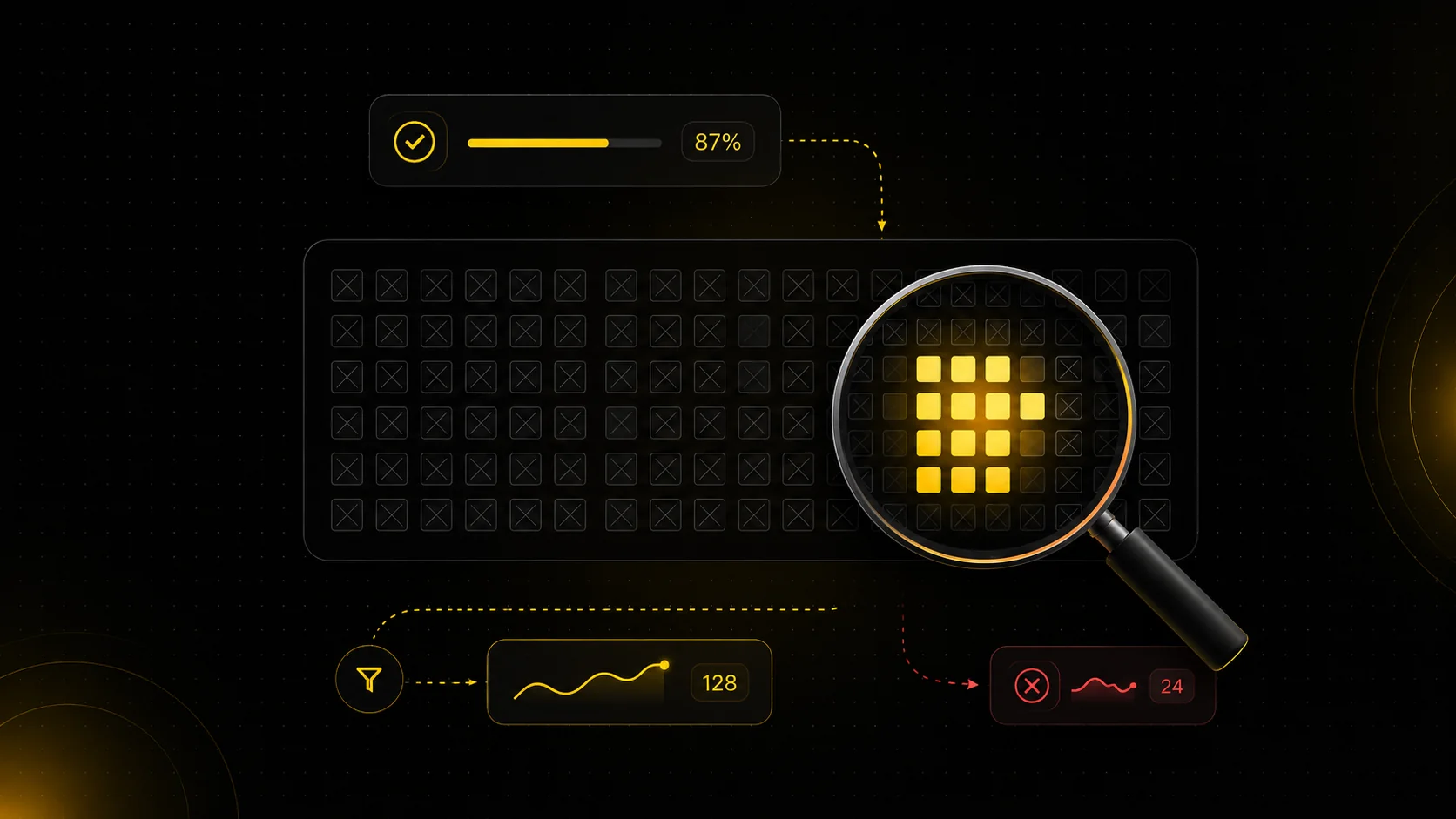
Why GitHub Green Squares Don't Prove You Did the Work (2026)
GitHub's contribution graph rewards activity, not impact, and it can be gamed. Why green squares mislead, what they hide, and what actually proves your work.
Changelog
All updatesAugust 13, 2026
Export Reports as PDF
Every report — Overview, Commits, and Issues — now has an Export PDF button that produces a clean, print-optimized document honouring your active filters and date range, ready to attach to an invoice or share with a client. Exports are generated locally in your browser; no data leaves your machine.
August 13, 2026
Figma Design Tracking
The Mac app now tracks time in the Figma desktop app as real design hours — automatically, with nothing to configure. Turn on optional file-name tracking to attribute design time to individual Figma files and auto-map it to projects by naming files "Project — File". Off by default, reading window titles of design apps only, behind an explicit macOS Accessibility grant you approve yourself.
July 5, 2026
Issue Attribution — Linear & Jira
Connect Linear or Jira to sync your issues and automatically tie them to the sessions and commits that shipped them. DevClocked matches issue keys from branches, commit messages, and pull requests, so delivered work links back to what it was for — read-only, with no writeback to your tracker.
June 25, 2026
Slack Integration
Install the DevClocked Slack app to bring reports into your workspace. Admins pick channels and posting rules, and each member links their own account with /devclocked connect for private personal reports and shared team digests.